
Category: News
-
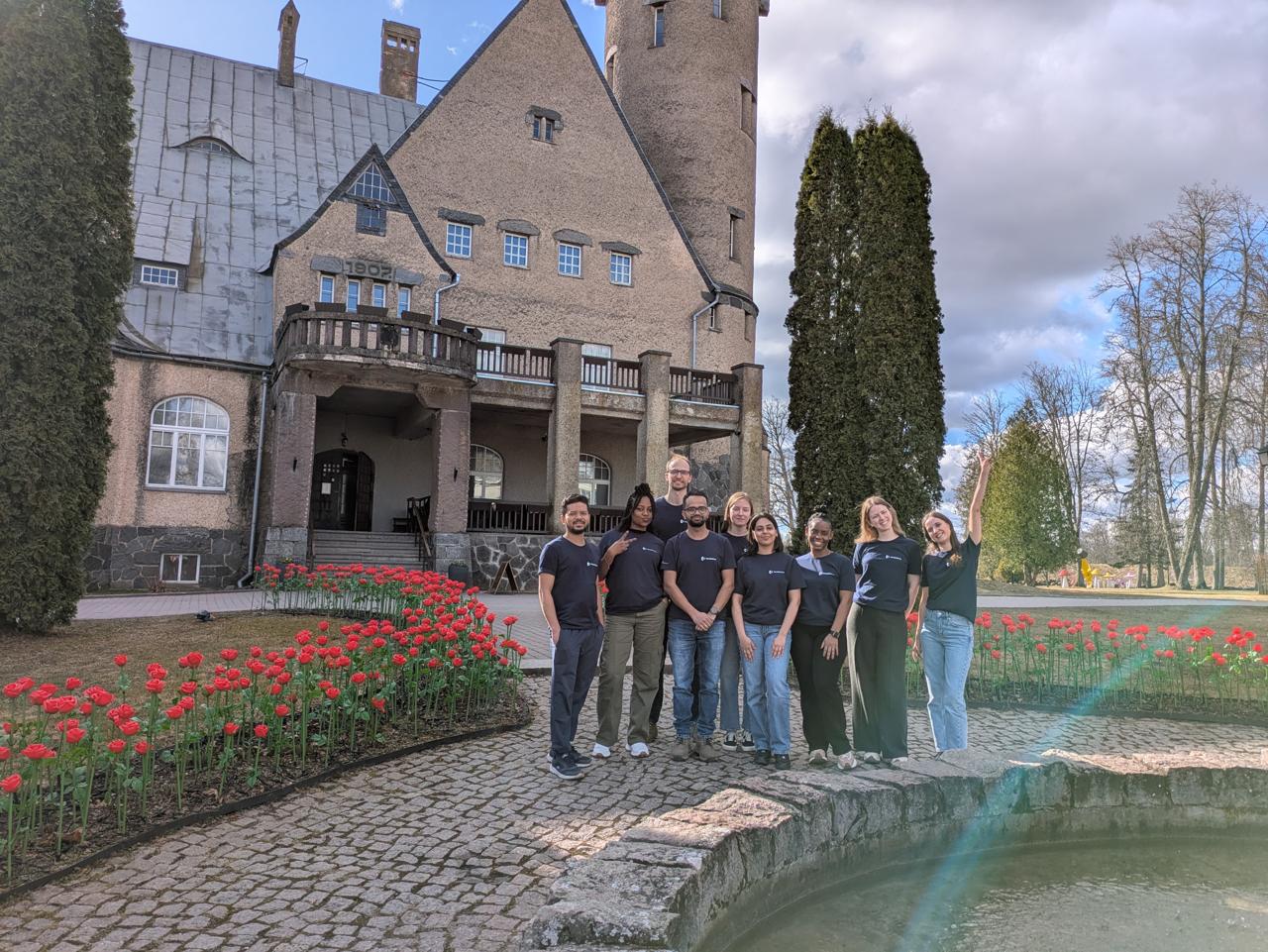
To celebrate the arrival of spring, the ValgepeaLab group retreat took place in the culturally rich Mulgi region (Mulgimaa) in South Estonia. The team enjoyed a guided tour through the Mulgi Experience Center, followed by a workshop on Kama truffle preparation and a traditional lunch featuring Estonia’s famous Mulgi puder, which has been added to…
-
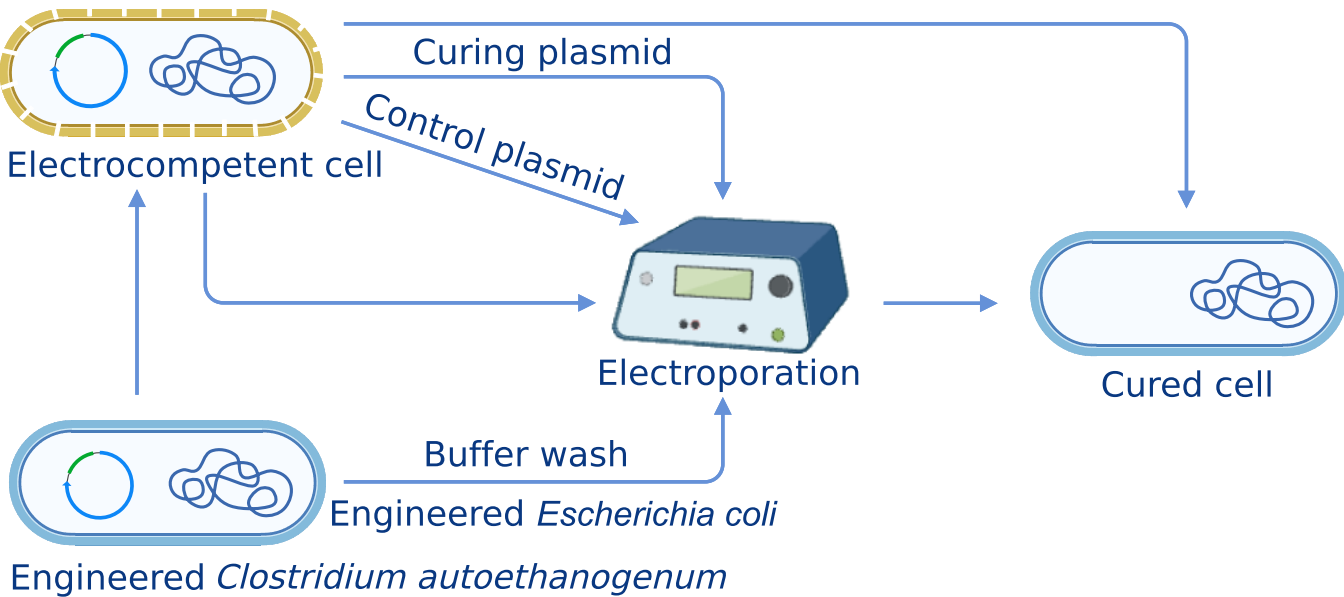
We are thrilled to announce our latest advancement in the genetic engineering workflow of acetogens published in ACS Synthetic Biology! Our team developed innovative methods to accelerate plasmid curing from genetically engineered strains of Clostridium autoethanogenum, an important step towards more efficient metabolic engineering for CO₂ utilization. These approaches streamline genetic workflows, making it faster…
-
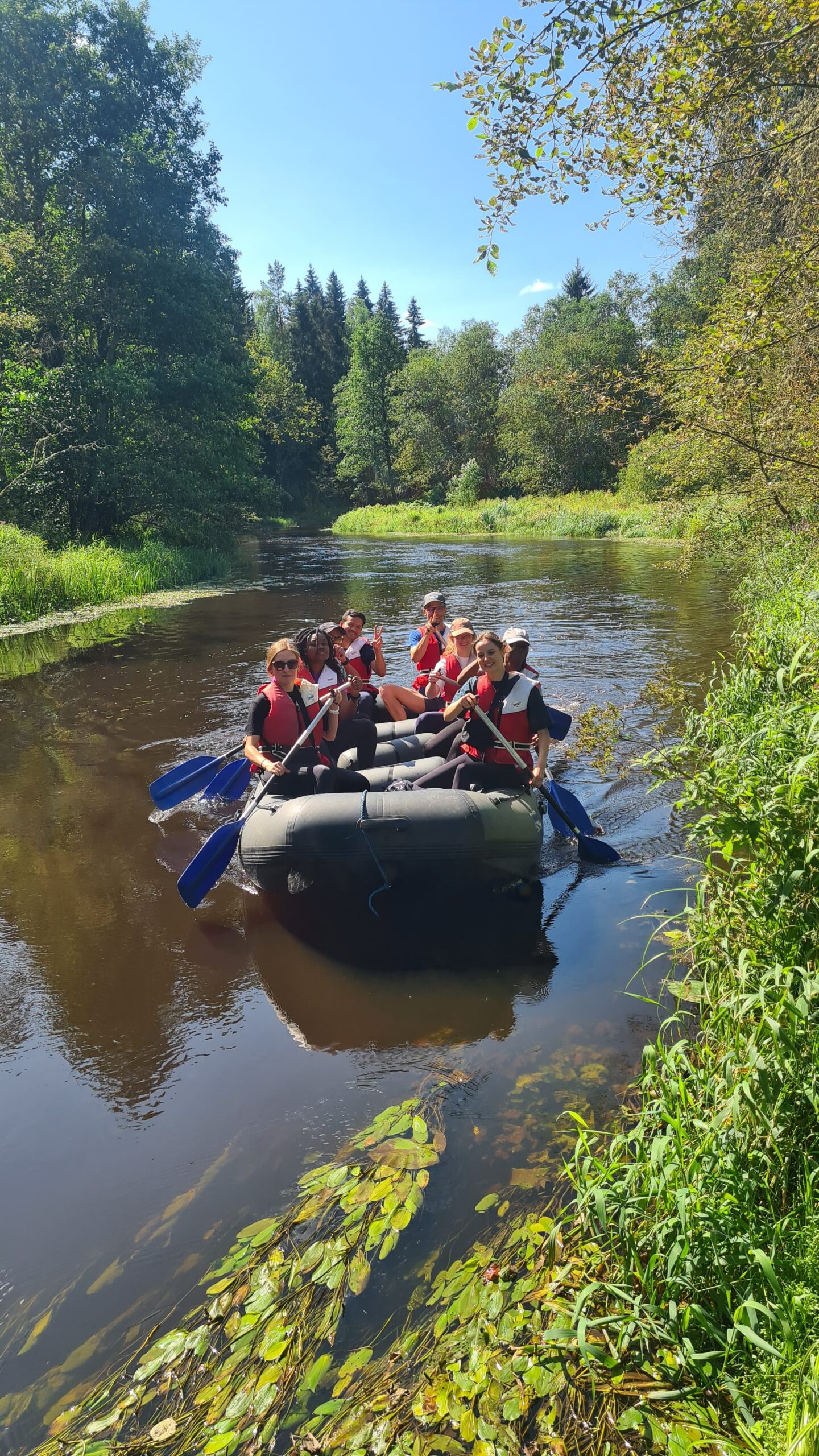
The ValgepeaLab team enjoyed a fun and engaging summer retreat in 2025, filled with group activities and adventure. This time, we went rafting for 15 km along the beautiful Võhandu River in South Estonia. We were lucky to have a warm summer day, perfect for learning how to paddle together and navigate the river’s flow…
-
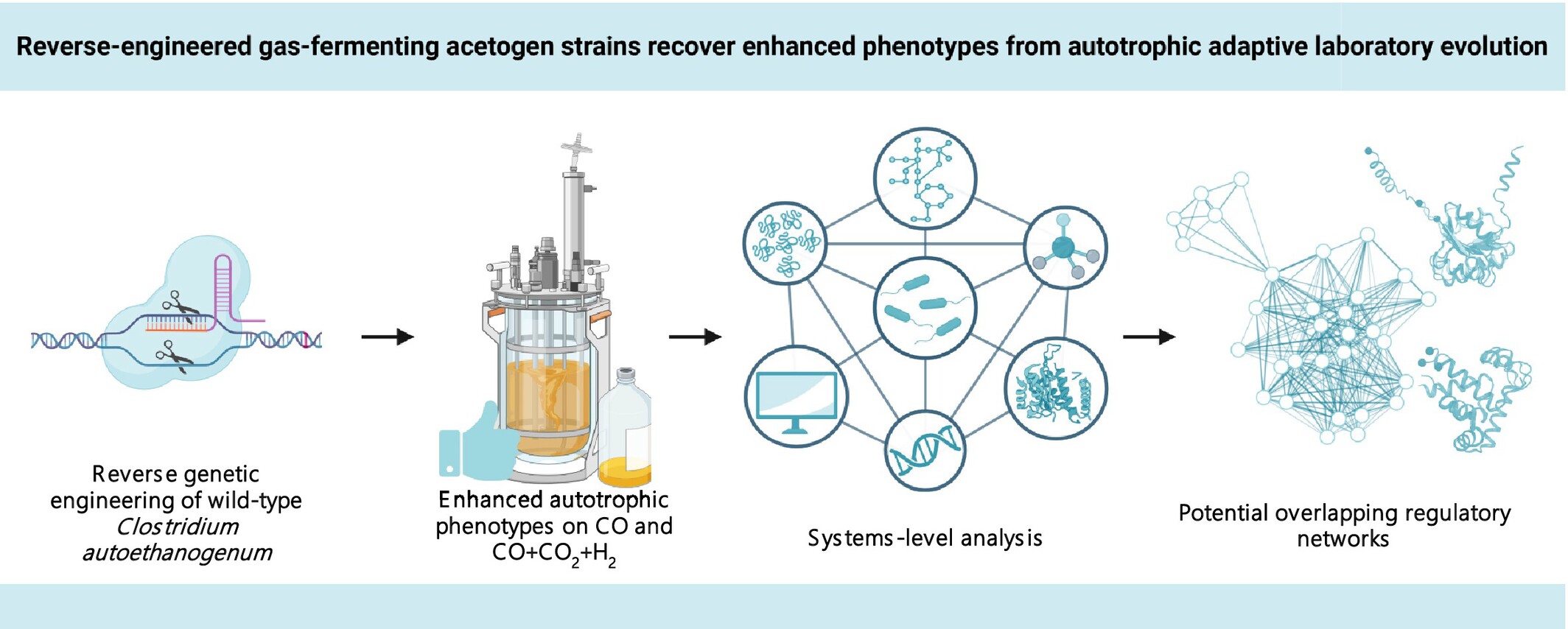
We are excited to share our latest research article, published in Microbial Biotechnology. This paper explores the benefits of reverse-engineering the gas-fermenting Clostridium autoethanogenum, combined with system-level analysis and continuous cultures, to recover enhanced phenotypes through adaptive laboratory evolution. This work provides valuable insights into genotype–phenotype relationships, contributing to a deeper understanding of the metabolism…
-
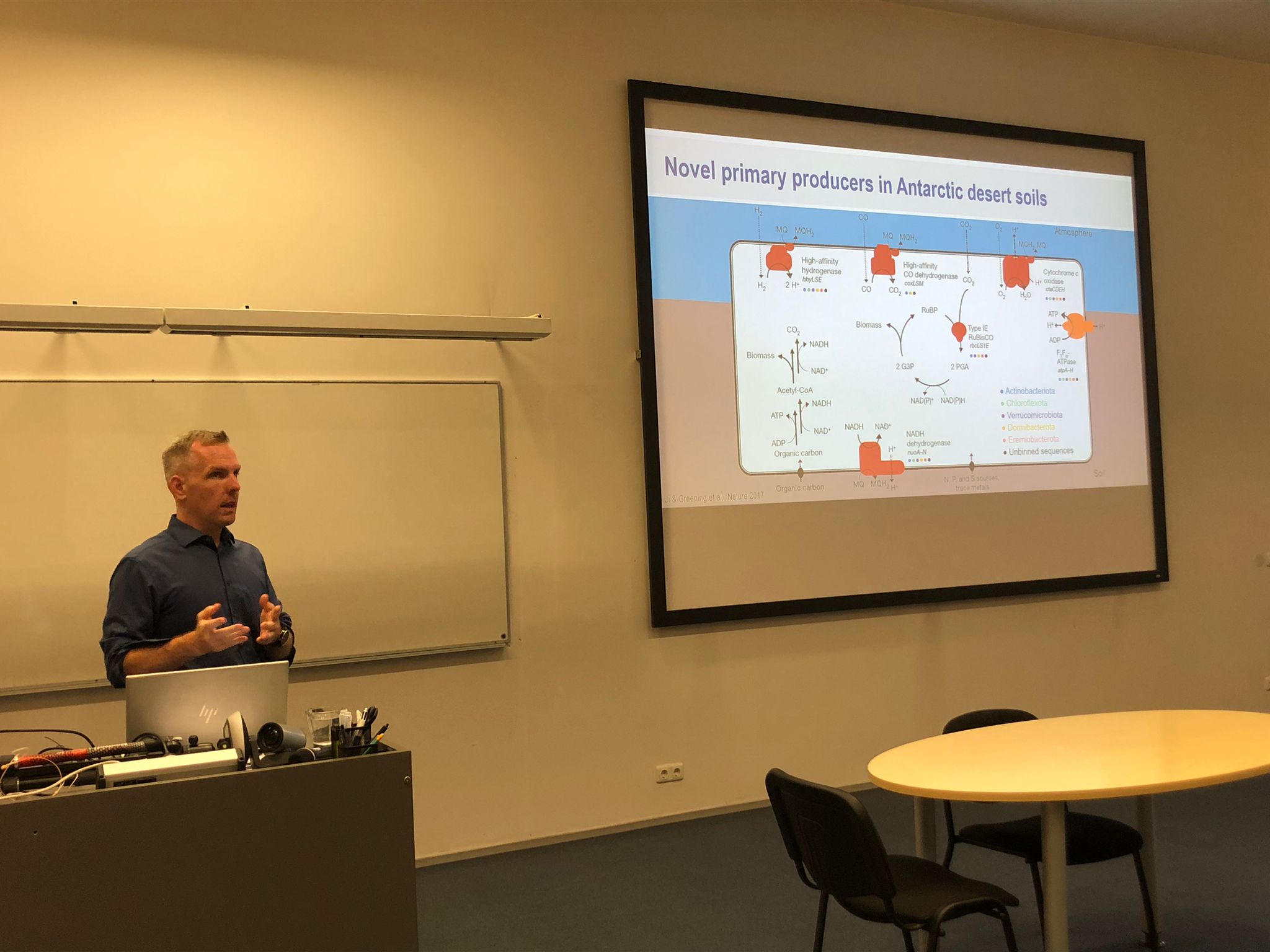
Prof. Chris Greening from the Department of Microbiology at Monash University (Australia) visited us the 2nd of July 2025 and delivered a truly inspiring talk entitled “Microbial Oxidation of Atmospheric Trace Gases: From Discovery to Application”. Chris presented the pioneering work he has done with his group over the years of interdisciplinary research, demonstrating that…
-
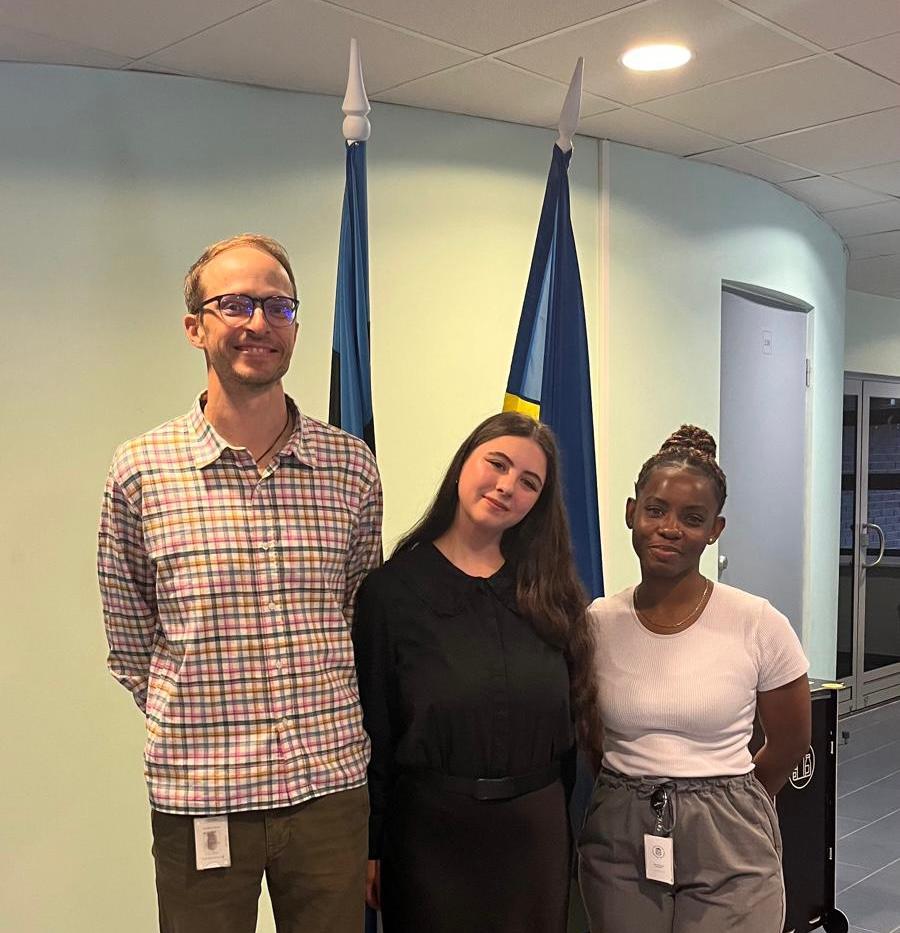
We are happy to share the great news that Mariia Vorontsova defended her graduation thesis, “Effects of Disruption of Genes with Unknown Function in the C1-Fixing Gene Cluster on a Gas-Fermenting Acetogen,” on June 2nd, 2025, and received her Bachelor’s diploma in Science and Technology on June 20th, 2025. Mariia successfully graduated as one of…
-
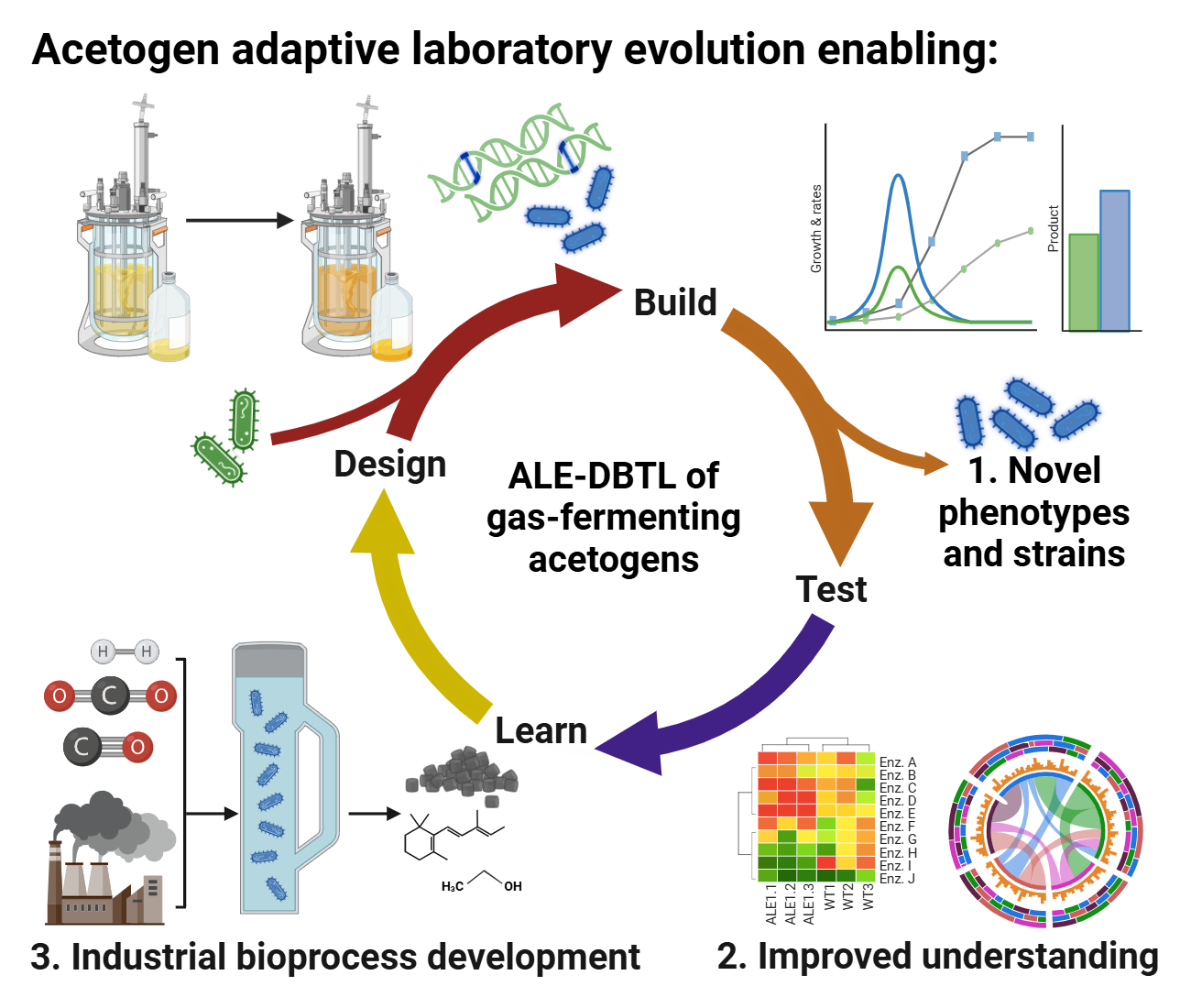
Review article together with collaborators from The University of Queensland published in Current Opinion in Biotechnology provides a comprehensive overview of recent progress on the use of adaptive laboratory evolution (ALE) for improving acetogen gas fermentation. The review summarises studies within four major ALE goals for phenotype improvement: faster growth/substrate utilisation; elimination of auxotrophies; improving…
-
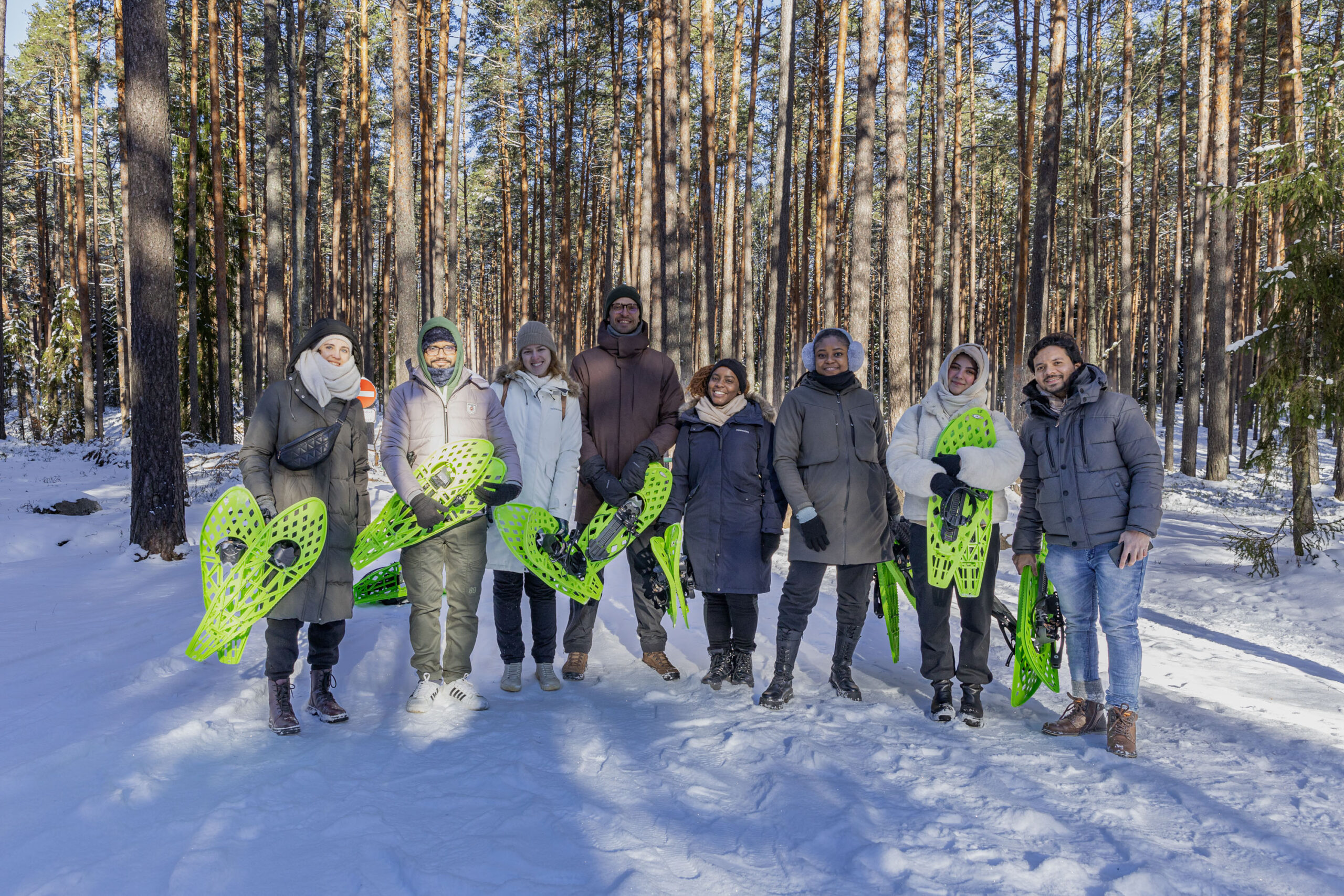
The winter seminar/retreat of the ValgepeaLab for 2025 took place in wintery South-East Estonia. Before getting serious with science, we had the most wonderful snowshoe hike in the Meenikunno bog with the excellent guide Taavi Nagel. We were rewarded with clear skies, plenty of snow, crisp berries, and good vibes. This was followed by sauna…
-
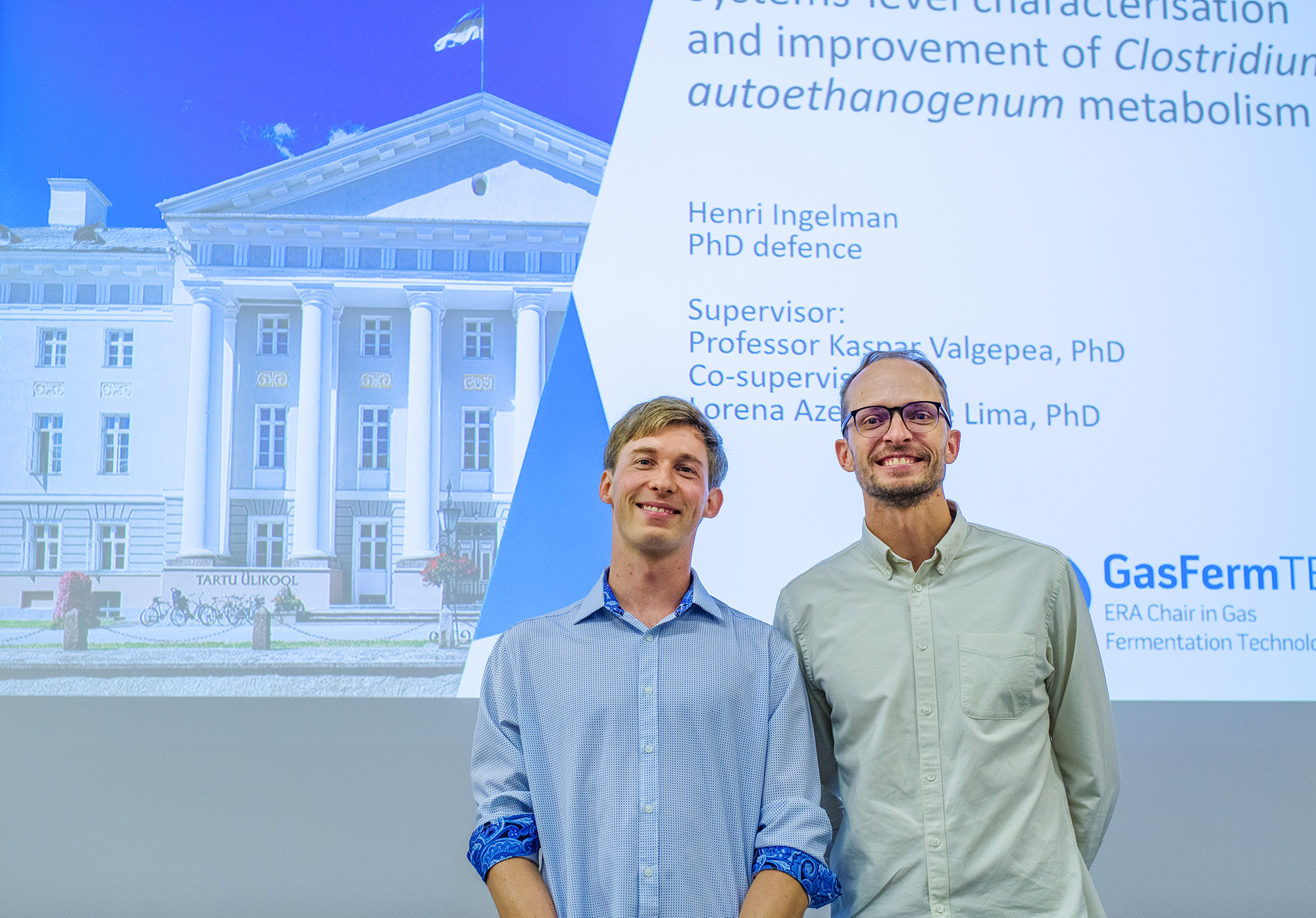
Henri Ingelman successfully defended his doctoral thesis “Systems-level characterisation and improvement of Clostridium autoethanogenum metabolism” on the 26th of September 2024. Henri did a great job at his presentation and also in the following discussion with opponent Prof. Diana Sousa from Wageningen University. The thesis was a great achievement after multiple setbacks from the COVID-19 pandemic made Henri…
-
Two research articles have been published together with collaborators that exploited adaptive laboratory evolution (ALE) for the first time to improve phenotypes of wild-type Clostridium autoethanogenum. First article led by the ValgepeaLab team with collaborators from Australia, the USA, and Switzerland utilised ALE to engineer superior strains with faster growth, no need for yeast extract, and robust bioreactor…